PRESS RELEASE: The impact of immigration detention on Rohingya Refugees in Malaysia and the need for reform
25 May 2023 – DHAKA, Bangladesh: The arbitrary and indefinite immigration detention of Rohingya is harmful to refugees and their families. As Rohingya flee ongoing persecution in Myanmar and deteriorating security conditions in camps in Bangladesh, punitive immigration detention has not and will not deter them from coming to Malaysia for safety. Immigration detention is expensive, harmful and must be reformed.
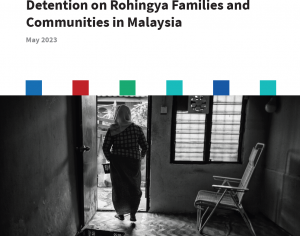
A new joint report from the Protecting Rohingya Refugees in Asia (PRRiA) project demonstrates the far-reaching impact and trauma inflicted upon Rohingya refugees because of immigration detention. Rohingya in detention experience physical and psychological abuse that can compound pre-existing trauma. For detained children especially, the impact has long-term effects on their well-being.
The report also speaks to the incompatibility of detention practices with Malaysia’s desire to offer a protection-centred environment for persons in need.
“Changes to Malaysian immigration detention practices are overdue,” said Evan Jones, Manager of the Asia Displacement Solutions Platform. “There are alternatives that are more effective, more humane, more cost-effective, whilst simultaneously respecting human rights.”
At present, Malaysian immigration law permits arbitrary and indiscriminate arrest and detention of refugees. Rohingya, who are the largest refugee community, are at higher risk of arrest and detention than other refugees. In particular, Rohingya who have travelled to Malaysia from Bangladesh are often subject to prolonged detention compared to Rohingya who have travelled directly from Myanmar or who have been living in Malaysia long-term.
Families with detained relatives are often distressed, concerned about their own safety as well as the health of their loved ones in immigration detention. Separation of families is often a direct result of detention. Women are often disproportionately affected, due to norms within Rohingya communities and their roles within them.
There have been and continues to be efforts from the Malaysian government to release children from immigration detention into alternatives to detention (ATD). The ATD pilot project – whilst yet to be implemented – is a welcome first step from the government and should be commended. Likewise, the Home Minister’s recent initiative to release children into NGO care is a strong step in the right direction to protect children from the harms of immigration detention. However, neither of these initiatives have commenced, and no children have yet been released from detention. This report underscores the need for Malaysia to implement their efforts and initiatives to release children from immigration detention into alternative care arrangements. In addition, alternatives to detention should not be restricted to specific groups of children but should also be expanded to benefit all children and all refugees.
“A legal framework that recognises the rights of Rohingya and other refugees in Malaysia is urgently needed,” said Lilianne Fan, co-founder and International Director of the Geutanyoë Foundation. “Legal reform will make clear Malaysia’s commitment to protecting refugees and improve coordination across government, as well as collaboration with civil society, refugee-led organisations, and UN agencies.”
About the research project:
The Protecting Rohingya Refugees in Asia (PRRiA) project, funded by the European Union’s Civil Protection & Humanitarian Aid Operations, is a two-year initiative launched in mid-2021 to address protection risks and needs of Rohingya refugees in Southeast Asia.
Media Contact:
Evan Jones, Manager, Asia Displacement Solutions Platform (ADSP)
Tel: +66 (9) 724 64 270 | Email: Evan.Jones@adsp.ngo

The Press Release can also be found in PDF form here.